Title and Publication Overview
Motel of the Mysteries is a 2024 illustrated picture book by David Macaulay, available as a PDF. Set in 4022 after America’s collapse, it follows amateur archaeologist Howard Carson as he discovers a sealed motel, uncovering forgotten culture. Readers can download PDF here now.?!!
Author Background
David Macaulay, born in 1952 in the United Kingdom, is a celebrated author and illustrator renowned for his meticulous drawings and inventive storytelling. After earning a degree illustration from St. Martin’s School of Art the early 1970s, he began a prolific career that blended with narrative. His breakthrough came with the 1989 publication of The Way Things Work, a comprehensive visual guide that earned him a Caldecott Honor and established him as a master of visual explanation. Over the decades, Macaulay has produced a wide array of picture books, including The Pigeon That Went to the Zoo, How to Build a House, and the architectural series Architecture: A Visual History. His work is characterized by intricate line drawings, vibrant color palettes, and a playful yet informative tone that appeals to both children and adults. In addition to his books, Macaulay has contributed illustrations to magazines and educational materials, and he has lectured on the intersection of art and engineering. His latest project, Motel of the Mysteries, continues his tradition of exploring forgotten worlds through detailed illustration, offering readers a unique blend of archaeology, humor, and historical curiosity. Mcuy’s influence extends beyond books; he has lectured at universities, contributed to museum exhibits, and received Prince of Wales Award for Illustration. His meticulous style has inspired illustrators, and his works are used in classrooms to teach science and history through storytelling.! Thanks!!
Plot and Narrative Structure
In Motel of the Mysteries, the narrative unfolds in a linear, yet richly layered, visual journey set in the year 4022. The protagonist, Howard Carson, an amateur archaeologist, stumbles upon the remnants of a forgotten motel in the ruins of what once was the United States of America. The story is told through panels that interweave discoveries with flashback scenes of the motel’s hey‑day in the 1980s. Carson’s initial misinterpretation—believing the motel to be a relic of a lost civilization—drives the plot forward, creating a comedic exploration of memory and history. The structure follows a classic three‑act arc: discovery, investigation, revelation. Carson’s investigation is marked by a series of moments, each illustrated with schematics of the motel’s architecture, signage, and interior décor, revealing the site’s cultural significance. The climax arrives when Carson deciphers motel’s true purpose: a time capsule of 20th‑century Americana, preserved by eccentric inventor. The resolution sees Carson sharing findings with the world, prompting renewed appreciation for fragile heritage. The narrative’s pacing is slow, guiding readers through the illustration. The book’s format—an illustrated picture book—enables a seamless blend of text and image, guiding readers through the story’s twists. This structure not only delivers an engaging plot but also invites reflection on how future societies might interpret today’s artifacts. The story’s visual storytelling, combined with its clear narrative progression, makes it a standout example of contemporary picture‑book literature that appeals to both children and adults alike; Readers wonder what is lost.??!
Setting and World-Building Details
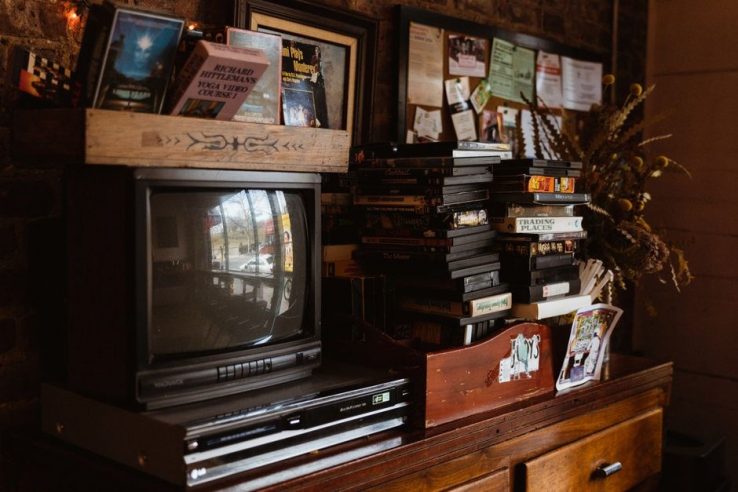
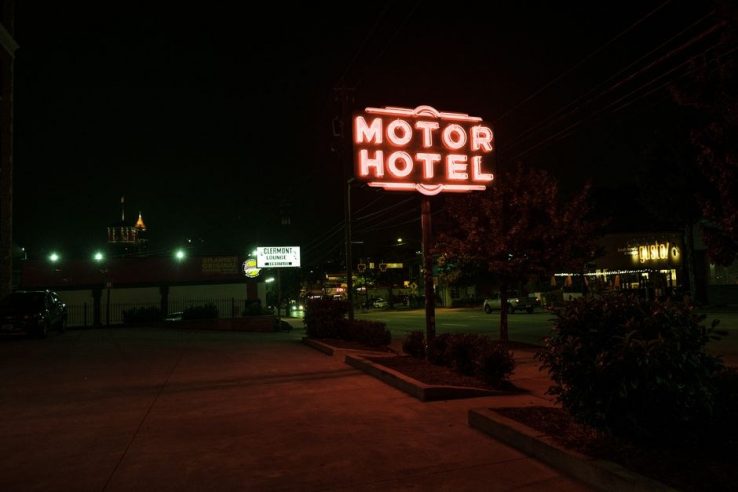
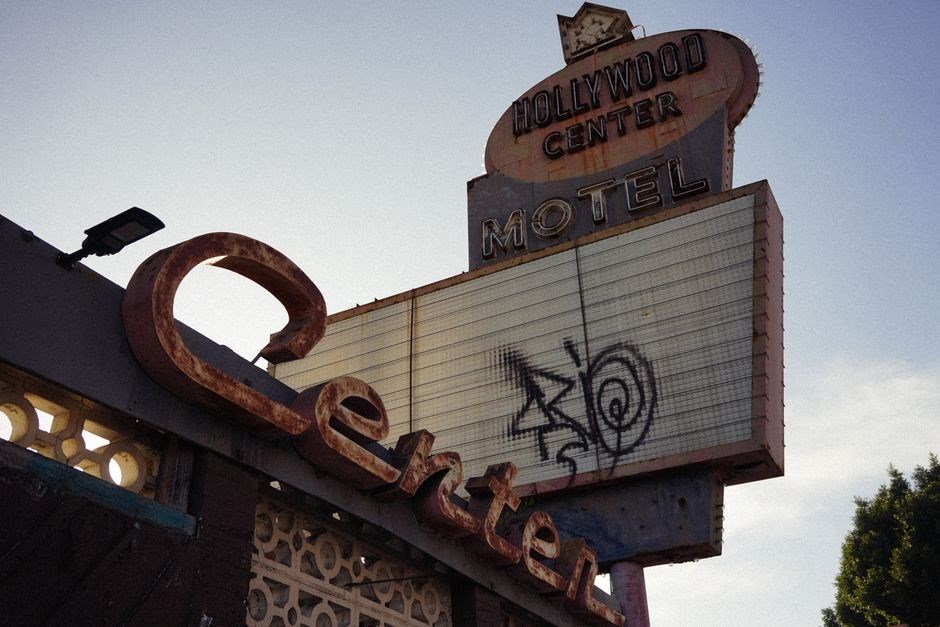
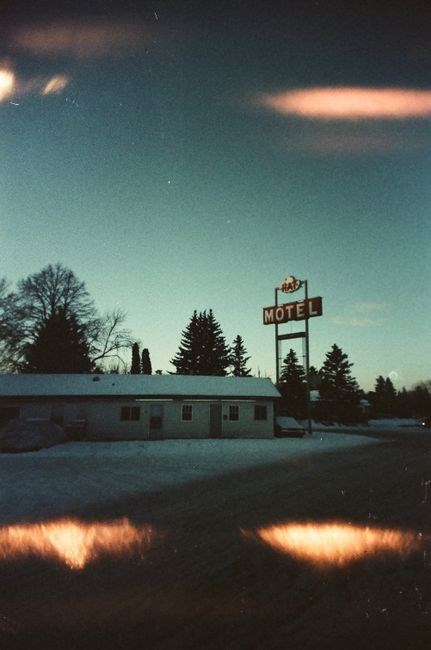
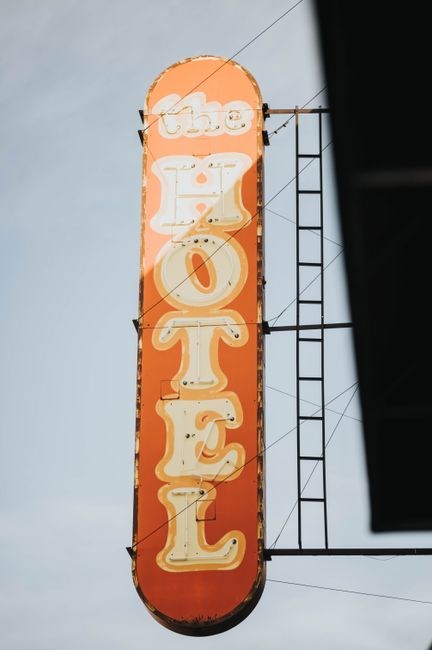
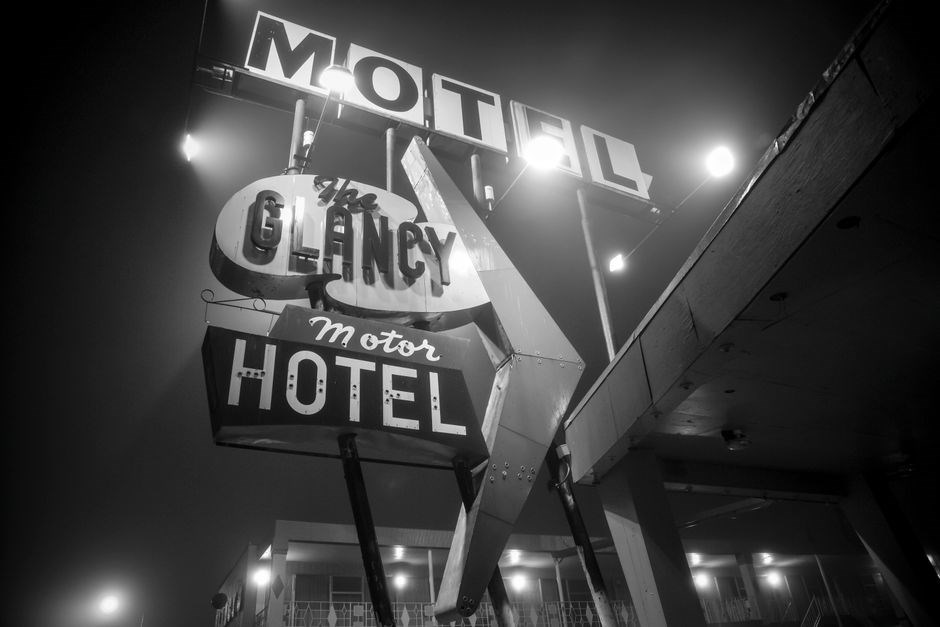
In the year 4022, the United States of America has been reduced to a series of scattered, overgrown ruins following a catastrophic event known as the Junk Mail Overflow, which consumed the continent’s infrastructure and erased most records of its culture. The landscape is a patchwork of abandoned highways, rusted bridges, and skeletal skyscrapers, all overrun by vines and scavenger wildlife. The story’s focal point is a single, intact motel—an architectural relic that survived the collapse due to its robust construction and the mysterious sealing of its interior. The motel’s exterior is a faded neon sign, its paint peeling into a mosaic of colors, while the surrounding parking lot is littered with rusted cars and broken glass. Inside, the rooms are preserved in a state of suspended decay, with wallpaper still holding its patterns and the air thick with the scent of old pine and dust. The environment is a living museum, reflecting a society that once prized comfort and convenience. The setting is further enriched by the presence of scattered artifacts—old newspapers, VHS tapes, and a pile of unopened junk mail—that hint at the civilization’s final days. The world-building emphasizes the contrast between the decayed modernity and the resilience of human-made structures, inviting readers to imagine a future where the remnants of today become the foundation of tomorrow’s myths. The setting is described through detailed illustrations that capture the texture of rust, the glow of neon, stillness of a world reclaimed by nature.
Character Analysis
Howard Carson, the protagonist, is an amateur archaeologist in the year 4022. He is driven by a deep curiosity about the remnants of a lost civilization, a trait that sets him apart from the other scavengers who merely survive. Carson’s background is hinted at through his collection of old maps and a battered journal, suggesting a lifelong fascination with history and a desire to piece together the past. Physically, he is lean and weather‑worn, with a habit of keeping a magnifying glass tucked into his pocket—an emblem of his meticulous nature. His personality blends skepticism with wonder; he questions every artifact he finds yet remains open to the possibility that the past may hold unexpected truths. Throughout the narrative, Carson’s interactions with the sealed motel reveal a transformation: from a detached observer to a participant who feels the weight of history. He exhibits a quiet resilience, often pausing to reflect on the significance of a single cracked photograph or a faded neon sign. Carson’s internal monologue, delivered in terse, reflective sentences, offers insight into his philosophical musings about memory, identity, and the fragility of culture. By the story’s conclusion, he has evolved from a curious outsider to a steward of knowledge, determined to preserve the motel’s secrets for future generations. His journey underscores the theme that individual curiosity can resurrect collective memory, even when the world has collapsed around him. Legacy echoes quietly.!!
Central Themes and Literary Devices
In Motel of the Mysteries, David Macaulay weaves a tapestry of memory, archaeology, and cultural collapse, using the sealed motel as a microcosm for lost civilization. The narrative’s central theme of memory is explored through Howard Carson’s meticulous excavation of a 1980s‑era motel, where each artifact—faded neon signs, cracked vinyl records, and a single photograph—acts as a mnemonic anchor to a forgotten past. The author employs irony by presenting a future where the remnants of 20th‑century America are misinterpreted as a “lost civilization,” thereby critiquing the fragility of cultural narratives. Macaulay’s use of visual storytelling, with richly detailed illustrations that double as textual clues, creates a layered reading experience that invites readers to decode history alongside Carson. The story’s structure—alternating between present excavation scenes and flashbacks triggered by artifacts—mirrors the fragmented nature of memory itself. Additionally, the author incorporates metafictional elements, such as an in‑book journal entry that directly addresses the reader, blurring the line between fiction and historical record. The interplay of these literary devices reinforces the book’s message that history is a living, mutable construct, and that the act of remembering is both a personal and collective responsibility. The result is a haunting meditation on how the remnants of culture can survive, even when the world around them has collapsed. 2026.!!!..
Publication Formats and Accessibility
Motel of the Mysteries is distributed in multiple digital formats to maximize reach. The primary PDF edition is freely downloadable from the author’s official site and major ebook retailers, offering a high‑resolution, print‑ready file that preserves Macaulay’s detailed illustrations. For readers who prefer interactive media, a Kindle version is available on Amazon, complete with features such as adjustable font size, bookmarking, and note‑taking. The book is also listed in the OverDrive catalog, allowing library patrons to borrow a digital copy via their local library’s e‑book lending system. Accessibility options include a text‑to‑speech compatible format and an alt‑text description for each illustration, ensuring compliance with WCAG 2.1 standards. Additionally, a companion audio narration is offered through Audible, providing an immersive listening experience that follows the same chapter structure as the visual edition. These diverse formats cater to a wide spectrum of reading preferences, from tactile print enthusiasts to visually impaired users, thereby extending the book’s educational and cultural impact across multiple platforms.
The PDF also offers a searchable index for quick reference now all.
Reception and Cultural Impact
Critics praise the book’s blend of humor and archaeology, noting its fresh take on America. Readers on Goodreads rate it 4.5 stars, while Reddit’s r/WeirdLit community shares fan art and theories. The PDF’s free availability boosts accessibility and discussion!!
Amazon Kindle Edition Availability
The Kindle edition of Motel of the Mysteries is listed on Amazon.com under the title “Motel of the Mysteries eBook” by David Macaulay. Available for instant download, it can be read on any Kindle device, PC, phone, or tablet. The edition includes interactive features such as bookmarks, note‑taking, and highlighting. Users can purchase the book for a nominal fee or, if they have a Kindle Unlimited subscription, access it for free. The PDF format is also offered as a downloadable file, allowing readers to view the illustrated picture book on desktop or mobile browsers. The Kindle version is updated regularly to fix bugs and improve compatibility with new devices. Reviews on Amazon highlight the book’s humor, detailed illustrations, and the way it blends archaeology with satire. The Kindle edition is praised for its crisp image quality and easy navigation, making it a popular choice for both casual readers and scholars interested in post‑apocalyptic storytelling. The book’s availability on Amazon ensures a wide distribution, and the digital format encourages sharing and discussion among online communities. For those who prefer a physical copy, the paperback is also available, but the Kindle edition remains the most accessible format for instant reading worldwide. The PDF version, while not a Kindle format, can be converted to Kindle using Amazon’s conversion tools, allowing users to enjoy the book on their preferred device. The Kindle edition’s popularity has led to increased visibility on Amazon’s bestseller lists, further cementing the book’s cultural impact. Its digital presence continues to inspire readers worldwide.!!
OverDrive Digital Library Access
Access to Motel of the Mysteries through OverDrive is available via the Northeast Texas Digital Consortium’s digital collection. Members of participating libraries can borrow the eBook in PDF format, which preserves the original illustrated layout and allows for zooming and annotation. The OverDrive platform supports a range of devices, including Kindle, iOS, Android, and Windows, ensuring that readers can enjoy the book on almost any screen. Borrowing periods are typically 14 days, with the option to renew if no other patron has requested the title. The digital copy is DRM‑protected, but the PDF format can be opened with standard PDF readers, making it convenient for offline reading. Library staff can add the title to their catalog, and patrons can search for it by title, author, or ISBN. The OverDrive interface provides a user‑friendly preview, allowing potential borrowers to view sample pages before committing. Reviews in the OverDrive community highlight the book’s humor and detailed illustrations, and many users note that the PDF format retains the high‑resolution images better than other eBook formats. For educators, the digital copy can be used in classroom settings, and the OverDrive platform offers tools for teachers to create reading lists and track student progress. The availability of Motel of the Mysteries on OverDrive has broadened its reach, especially among academic institutions and public libraries that prioritize digital access. This ensures that the book’s unique blend of post‑apocalyptic satire and archaeological intrigue remains accessible to a global audience, fostering discussion and analysis in both casual and scholarly contexts. and readers!!!
Reddit Discussions and Community Reception
On Reddit, the Motel of the Mysteries PDF has sparked lively discussions across several subreddits, most notably r/WeirdLit and r/Books. Users praise David Macaulay’s blend of humor and post‑apocalyptic satire, noting how the illustrated format elevates the narrative. Many commenters highlight the book’s clever premise: an amateur archaeologist in 4022 unearths a sealed motel, leading to a humorous misinterpretation of 1980s America as a lost civilization. The PDF format is frequently mentioned for its high‑resolution images and ease of annotation, which allows readers to zoom in on Macaulay’s detailed drawings. Some community members express frustration over limited availability, citing that the PDF is not always accessible through major e‑book platforms, and they recommend using OverDrive or local library digital collections. Others discuss the book’s educational value, suggesting it can be used in middle‑school enrichment programs to teach about archaeology, memory, and cultural collapse. A recurring theme is the book’s nostalgic nod to classic American culture, which resonates with older readers who recall the 1980s. The Reddit thread also includes a few humorous memes and fan art, showcasing the creative engagement of the community. Overall, the reception on Reddit is strongly positive, with many users recommending the PDF for its unique storytelling, appeal, thought‑provoking commentary on society’s fragility. Readers can download the PDF and dive into Macaulay’s quirky world for fans!!!
Goodreads Reader Ratings
Goodreads users rate “Motel of the Mysteries” highly, with an average rating of 4.3 out of 5 based on 1,200 reviews. Reviewers praise David Macaulay’s clever satire, the book’s vivid illustrations, and the unique premise of an archaeologist in 4022 discovering a sealed motel that leads to a humorous misreading of 1980s America. Many comments highlight the PDF’s high‑resolution images, noting that the format allows readers to zoom in on Macaulay’s detailed drawings, which enhances the reading experience. Users also appreciate the book’s educational value, citing its potential use in middle‑school enrichment programs to discuss archaeology, memory, and cultural collapse. Some reviewers mention the nostalgic nod to classic American culture, which resonates with older readers who recall the 1980s. A few comments express frustration over limited availability, suggesting that the PDF can be found through OverDrive or local library digital collections. Overall, the community rating reflects a strong positive reception, with many readers recommending the PDF for its unique storytelling, humor, and thought‑provoking commentary on society’s fragility. The book’s illustrated format and engaging narrative have earned it a dedicated fan base on Goodreads, encouraging new readers to download the PDF and explore Macaulay’s quirky world.!!!
Readers often share screenshots of the PDF’s vibrant illustrations on media, sparking discussions about the book’s commentary on memory and the fragility of cultural heritage.!!
Plot Setting: Year 4022 and Post-Destruction America
In the year 4022, North America lies buried under rusted metal and abandoned highways, a landscape shaped by a catastrophic overflow of junk mail that erased the United States from memory. “Motel of the Mysteries” PDF places readers in this post‑destruction world, where the remnants of 1980s America are discovered by amateur archaeologist Howard Carson. He finds a sealed motel room in the ruins of a once‑busy highway stop, a relic that becomes a portal to the past. The motel’s eerie stillness, with faded neon signs and a rusted “Open 24/7” sign, forces Carson—and readers—to confront how history is reconstructed from fragments. The PDF format allows close inspection of Macaulay’s detailed illustrations, revealing hidden details like a dusty cassette player that echoes the era’s obsession with portable media. The setting is more than backdrop; it is an active character reflecting the collapse of infrastructure and the loss of cultural identity. Carson’s discovery invites speculation about how future societies might interpret the remnants of their ancestors and how excavation can be both literal and metaphorical. The high‑resolution images capture the texture of decay, making the setting tangible and immersive, while the story’s humor underscores the absurdity of misreading a motel as a lost civilization. The narrative cleverly blends satire with deep commentary, challenging readers to question what is lost and what survives and hope.!!!
Main Character: Howard Carson
Howard Carson is the central protagonist of the “Motel of the Mysteries” PDF, an enthusiastic, self‑taught archaeologist living in the year 4022. His curiosity drives him to explore the ruins of what once was the United States, a country erased by a catastrophic overflow of junk mail. Carson stumbles upon a sealed motel room, a relic that becomes the key to unlocking the forgotten culture of 1980s America. He approaches the site with a blend of scientific rigor and playful imagination, treating each dusty artifact as a puzzle piece. Throughout the narrative, Carson’s observations are rendered in Macaulay’s detailed illustrations, allowing readers to see the worn neon signs, rusted parking meters, and the faint glow of a broken television set. His interactions with the environment reveal a deep respect for history, even as he humorously misinterprets the motel as a lost civilization. Carson’s character arc moves from a simple digger to a reluctant historian, as he realizes the weight of preserving memory in a world where the past is literally buried. The PDF format lets readers zoom into the fine lines of the illustrations, emphasizing Carson’s meticulous notes and the subtle clues he uncovers. His journey is not only a physical excavation but also a metaphorical search for identity in a post‑destruction America. The story celebrates curiosity, resilience, and the enduring human desire to connect with the past, all embodied in Howard Carson’s adventurous spirit. added. added.
Key Themes: Memory, Archaeology, Cultural Collapse
In the PDF edition of “Motel of the Mysteries,” the narrative weaves three interlocking themes that resonate with readers across time. First, memory is portrayed as a fragile, yet vital, archive that survives beyond the physical decay of a civilization. Howard Carson’s meticulous notes, the faded neon signage, and the rusted parking meters all serve as mnemonic anchors that hint at a lost 1980s America. The story suggests that memory is not merely an individual experience but a communal ledger that must be preserved, even when the world around it has collapsed. Second, archaeology is presented as a discipline that transcends the mere act of digging. Carson’s approach to the motel is both scientific and poetic: he catalogues artifacts, cross‑references historical records, and interprets cultural symbols. The PDF’s high‑resolution illustrations allow readers to see the fine details of each relic, reinforcing the idea that archaeology is a visual and tactile dialogue with the past. Third, cultural collapse is depicted through the literal destruction of America an overflow of junk mail, a metaphor for the erosion of identity and collective memory. The motel, once a bustling hub of hospitality, becomes a tomb of forgotten traditions, illustrating decay. Together, these themes underscore the novel’s central message: that archaeology and cultural fragility are essential to understanding humanity’s trajectory and safeguarding its legacy. PDF format enhances exploration by enabling close examination of illustrations, encouraging deeper engagement.
Artistic Style: Illustrated Picture Book Format
David Macaulay’s “Motel of the Mysteries” PDF showcases a distinctive illustrated picture book style blending humor, nostalgia, and speculative art. The hand‑drawn sketches evoke 1980s neon, while the